
Ottawa, Canada – A new geospatial learning tool developed by Fisheries and Oceans Canada (DFO) is helping increase visibility of environmental projects across Canada that bring together Indigenous knowledge systems and Western science.
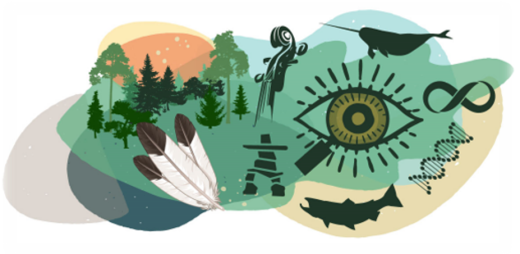
The platform, known as BIAS-K, maps more than 250 published case studies and community-led initiatives spanning coastal, freshwater, and terrestrial environments. The tool was developed in collaboration with Indigenous partners and federal colleagues to make research and applied environmental work more accessible to researchers, practitioners, students, and policymakers.
According to DFO’s science partnerships portal, BIAS-K serves as a learning resource that highlights projects exploring environmental stewardship through multiple ways of knowing. Users can explore projects through an interactive geospatial interface and filter results by community, species, research theme, and keywords. This functionality enables land and resource managers to identify examples of collaborative approaches to conservation, monitoring, and ecosystem management.
The initial case studies were identified through literature reviews and reflect a diversity of environmental contexts across Canada. By consolidating this information into a single searchable platform, the department aims to strengthen knowledge networks, increase awareness of existing work, and support cross-cultural collaboration in environmental research and management.
The tool contributes to broader reconciliation efforts in environmental governance by recognizing Indigenous knowledge as foundational to ecosystem stewardship. At the same time, DFO emphasizes that BIAS-K is not intended to replace direct partnerships or community relationships in research and decision-making processes.
The launch of BIAS-K aligns with ongoing federal initiatives to integrate Indigenous knowledge into conservation science and environmental management frameworks. By making examples of collaborative research more visible, the platform provides a resource for practitioners seeking to design or strengthen inclusive approaches to land and water stewardship.
BIAS-K is publicly accessible through Fisheries and Oceans Canada’s science partnerships portal.
Click here for more information.