
Certification Of Mineral Soil Pads in The Boreal Region – Decision Framework and Support Tools: Stakeholder Review and Field Verification
Resource Format
Website
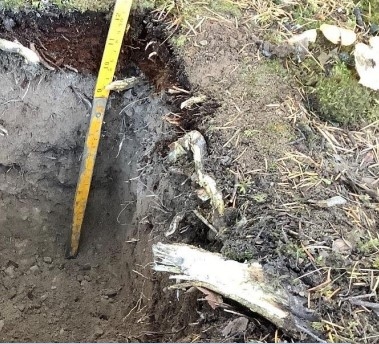
A draft Excess Soil Reuse Guidance document from the Canadian Council of Ministers of the Environment is available for public review and comment until January 3, 2023. It is available in both English and French and is accompanied by a questionnaire containing specific questions for reviewers on certain sections of the draft document.
The document is intended to provide a reference tool for jurisdictions implementing excess soil management policies. It includes principles that should be considered in such a policy, circumstances under which they might be applied, and pros and cons related to the application of these principles. The guidance document provides elements that should be included in a traceability protocol intended to track beneficially reused soil. It discusses the responsibilities of both source and receiving sites in projects involving the reuse of excess soils.
There are more than 20,000 locations listed in the federal contaminated sites inventory, from dumps and abandoned mines to military operations on federal land.
Environment and Climate Change Canada says that after Giant Mine, the four most expensive cleanups are the Faro Mine in Yukon, the Port Hope Area Initiative in Ontario, Esquimalt Harbour in British Columbia and Yukon's United Keno Hill Mine. With a cost estimate of $4.38 billion, remediation of the Giant Mine, one of the most contaminated sites in Canada, is also expected to be the most expensive federal environmental cleanup in the country's history.