
Rehabilitation of Gravel Pits and Quarries for Biodiversity
Resource Format
Document
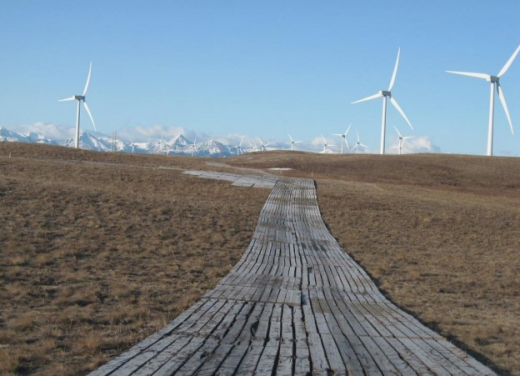
Alberta Environment and Protected Areas has published the Code of Practice for Solar and Wind Renewable Energy Operations.
The Code of Practice for Solar and Wind Renewable Energy Operations applies to solar and wind electric renewable energy operations as defined in the Activities Designation Regulation under the Environmental Protection and Enhancement Act. The Code contains the minimum requirements to obtain a registration, including those pertaining to conservation, monitoring, reclamation, and security.
The Code of Practice is available here: https://open.alberta.ca/publications/renewables
Additional information is available at https://www.alberta.ca/land-conservation-and-reclamation-guidelines-for-renewable-energy-operations. A landowner fact sheet is also available.
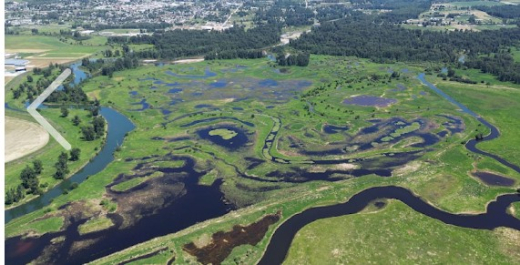
Since time immemorial, the once expansive 7,000 hectares of wetlands at Yaqan Nukiy nourished both the Ktunaxa people and a rich ecosystem full of fish, birds, turtles, bears, and elk. Now, the Yaqan Nukiy (Lower Kootenay Band) is leading the charge to bring this ecosystem back to life. Since 2018, they has been working with project partners to restore 517 hectares of wetland on reserve land — reconnecting waterways, removing dikes, and reshaping the land to allow nature to do what it does best.
So far, more than two kilometres of dikes have been removed, and 260,000 dump trucks’ worth of earth have been moved and reshaped. With 2.2 million square metres already restored, the Yaqan Nukiy Wetland Project is now the largest Indigenous-led wetland restoration effort in the country.
Read the Nelson Star article here.

Deep under layers of sand and clay at abandoned oil well pads, the peatlands, a natural solution to carbon storage, lie waiting to be restored.
Murdoch McKinnon is trying to figure out the best way to bring them back to life.
McKinnon, a PhD candidate in the department of geography and environmental management at the University of Waterloo, told The Tyee he was drawn into the squishy lands of brightly coloured moss, tamarack and black spruce trees because they are where water and land ecosystems meet.
“It’s certainly a challenge to walk through them, but they’re just absolutely beautiful, beautiful places,” McKinnon told The Tyee.