Emissions Reduction Alberta (ERA) is investing $60 million through the Agriculture, Water, and Land Challenge to help the province’s agriculture, forestry, water, land, and waste technologies move from pilot to...
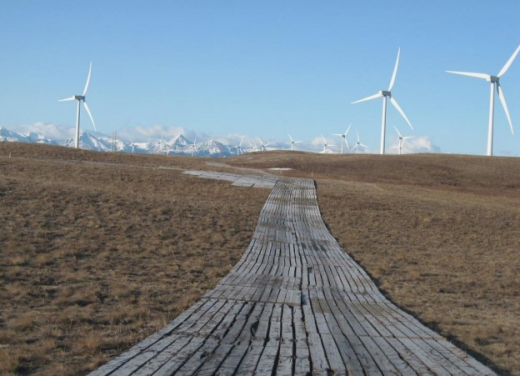
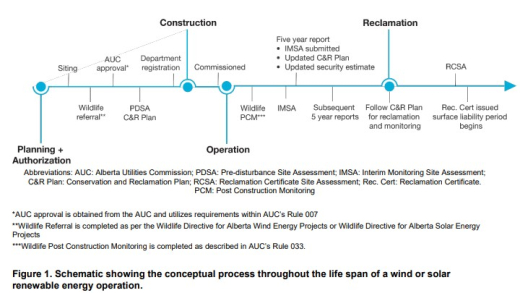
Alberta Environment and Protected Areas (EPA) Regulatory Assurance Division has published a guidance document for Wind and Solar Renewable Energy Operation Registration Applications, available here.
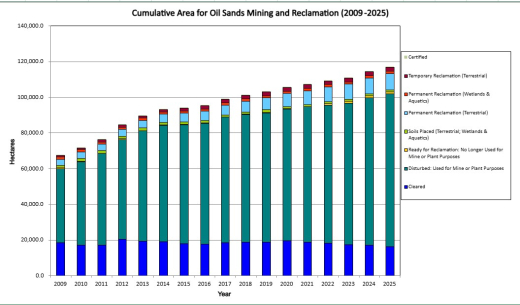
Environment and Protected Areas has published updates to three datasets on oil sands mine reclamation. These datasets now include information to the end of 2025.
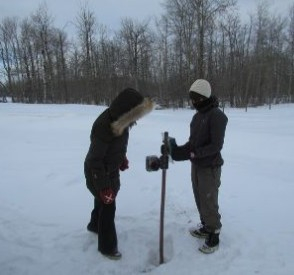
ABMI has published the following updated field protocols: • Wetland field data collection protocols (2024) • Terrestrial field protocols, abridged (2024) • ABMI terrestrial Autonomous Recording Unit (ARU) and remote camera trap protocols...
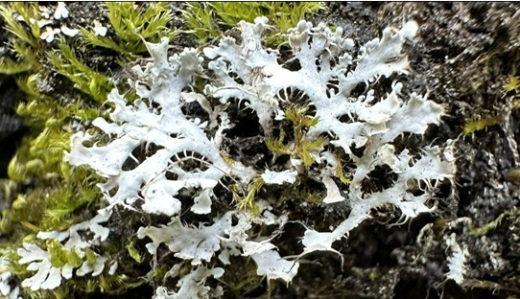
More lichen species profiles have been added to the Biodiversity Browser. These profiles were researched and written by students in the University of Alberta Lichenology course taught by Dr. Diane...
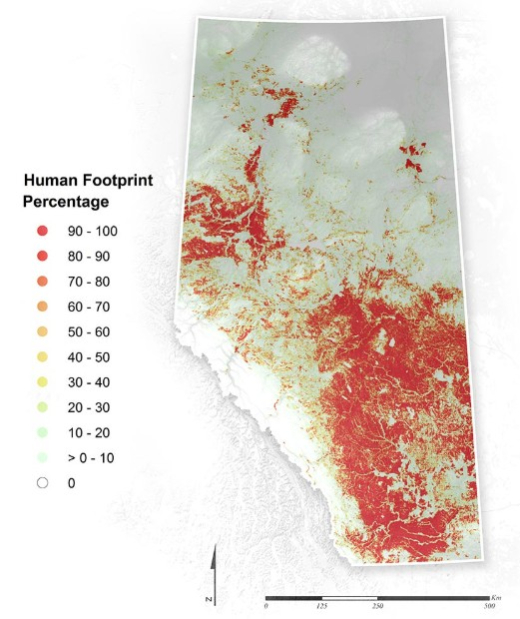
The Human Footprint Inventory (HFI) is a public dataset that maps visible disturbances from human activity across the entire province of Alberta. The dataset is updated annually using a combination...
Alberta Environment and Protected Areas (EPA) has published the update to the Conservation and Reclamation Directive for Renewable Energy Operations, released August 4, 2026.
When we talk about climate adaptation, conservation or sustainability, we often assume that resilience is something everyone wants. The logic seems straightforward: Stronger resilience means better protection from floods...
With the retirement of the Government of Alberta’s Environmental Site Assessment Repository (ESAR), contamination management records previously available through ESAR are now available from the Alberta Energy Regulator’s Products and...
Foundations of Restoration Ecology course. Designed for restoration practitioners worldwide, this online program builds the scientific foundation for effective, standards-based ecological restoration. Course content is free through SER Learn and...