
Conservation Social Science: Understanding People, Conserving Biodiversity
Resource Format
Website
Bringing together Indigenous knowledge and western science creates opportunities for new solutions to environmental challenges, including issues that are important to Indigenous People.
The Sacred Science video series, developed in collaboration with Indigenous communities in Alberta, Alberta Innovates and InnoTech Alberta, tells the stories of how these communities are leveraging these two knowledge systems to tackle complex conservation and land management challenges and to preserve their cultures.
These videos demonstrate successful collaboration between Indigenous communities and natural scientists that create meaningful impact and demonstrate our commitment to reconciliation, particularly in the natural sciences.
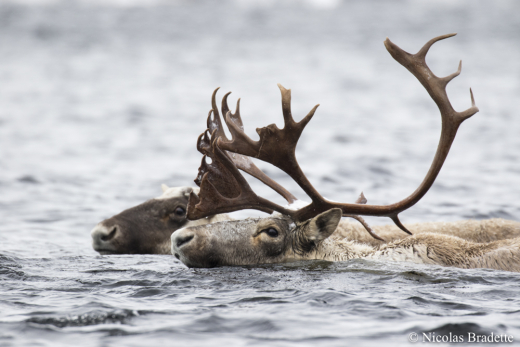
The Ontario government is investing up to $20 million into a new Caribou Conservation Stewardship Program, aimed at supporting projects working towards maintenance and recovery of caribou populations across the province. Eligible projects include habitat management, restoration, monitoring, and threat reduction initiatives, as well as research and the gathering, sharing, and/or weaving of local and Indigenous Knowledge.
The application period for the program closes on September 28, 2023.
More information about the program, including application instructions, can be found here: Caribou Conservation Stewardship Program | ontario.ca
*This article is being shared by the National Boreal Caribou Knowledge Consortium as the subject matter pertains to caribou and may be of interest to our audience.
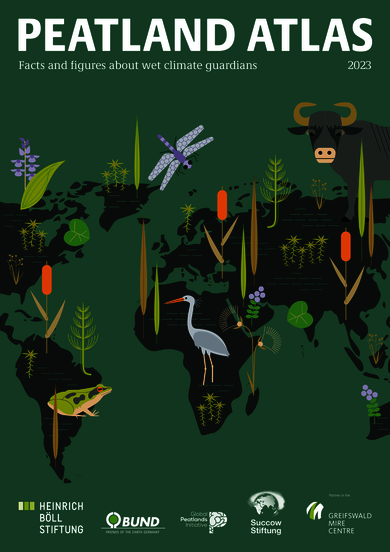
Although peatlands cover only 3% of the world's land, they store about twice as much carbon as in the biomass of all the world's forests combined. Thus, they are incredibly important especially for the climate and biodiversity. But worldwide more than 10 % of the 500 million hectares of peatlands are already drained, in parts of Central Europe well over 90 %. Every year, another 500,000 hectares of peatlands are destroyed. Drainage turns peatlands into climate killers, since - once drained - they release huge amounts of greenhouse gases - from permafrost in the north to palm oil plantations in Indonesia. With more than two billion tonnes of CO2, the draining of peatlands is responsible for about 4% of all human-made emissions globally. In addition, drainage is also disastrous for biodiversity. Unique habitats for specially adapted species are being lost.
This is outlined in the Peatland Atlas 2023 - Facts and figures on wet climate guardians.
It sheds light on the societal perception and history of peatlands, their importance for the global climate and as unique habitats for biodiversity and nature, and their destruction with local and global consequences. It also explains how we can protect peatlands and restore their functionality. It shows the potentials of wet peatlands for climate protection and opportunities for their wet use, called paludiculture, and how decision-makers and society can act now.
The Peatland Atlas is published by the Heinrich-Böll-Stiftung, the Michael Succow Stiftung, partner in the Greifswald Mire Centre, and BUND (Bund für Umwelt und Naturschutz Deutschland/Friends of the Earth Germany), with support of the Global Peatlands Initiative.
Here you may also find the German version, the Mooratlas.