Wetland Knowledge Resources
Resource
Author(s)
Cindy Shaw
Gary Zhang
Juha Metsaranta
Kathleen Groenewegen
Kelly Bona
Lisa Smith
Max Fellows
Mihai Voicu
Oleksandra Hararuk
Tyler Rea
Werner Kurz
Abstract Canada’s boreal zone covers almost 60% of Canada’s landmass. It has large areas of peatlands where black spruce is the most common tree species, which rarely reaches merchantable size. Tree...
Resource
Author(s)
Angela Gallego-Sala
Becky Parker
Dan Charman
Dave Beilman
David Fortier
Graeme Swindles
Holly Addis
Josephine Handley
Karen Anderson
Katherine Crichton
Maarten Blaauw
Magdalena Mleczko
Marco Aquino-López
Matt Amesbury
Michelle Garneau
Minna Väliranta
Richard E. Fewster
Sophie Hodson
Tom Sim
Vincent Maire
Xavier Comas
ABSTRACT The fate of carbon stored in Arctic peatlands remains uncertain because of the complex nature of the effects of climate change on permafrost and peatland carbon cycling. Expansion and/or...
Resource
Author(s)
Andrew Huang
Brendan Toews
David Bradley
Jenny Muñoz
Madeline Edmonds
Rory Macklin
Abstract Conservation areas (CAs) are critical tools in biodiversity conservation, yet their relationship to species of highest conservation need (i.e., species that are rare, range-restricted...
Resource
Author(s)
Danielle Cobbaert
Debora Andrade-Pereira
Marsha Trites-Russell
Nadine Taube
Rebecca Rooney
Vanessa Swarbrick
Prairie pothole wetlands in the Canadian Prairies Ecozone support ecosystem services such as biodiversity conservation, migratory bird habitat, water purification, and flooy -30d and drought...
Resource
Author(s)
Bradley Peter
Jennifer Hird
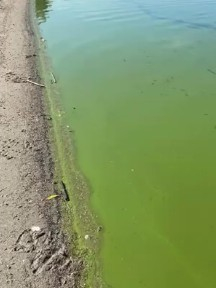
Algalbloomtracker.ca is a free and user-friendly online harmful algal bloom (HAB) tracker dedicated to monitoring Alberta lakes. Cyanobacteria outbreaks can have serious impacts on Alberta’s...
Resource
Ecological Engineering and Biological Polishing methods are being developed on a pyrrhotite covered tailings area. INCO started the research work with the Reactive acid tailings (CANMET) program in...
Resource
Author(s)
Ann Brown
D.J. Kushner
S.P. Mathur
Many Canadian mine tailings contain iron sulphides, which are oxidized by microorganisms. This causes extensive acid leaching ‘and consequently contamination of the environment. It is known that, if...
Resource
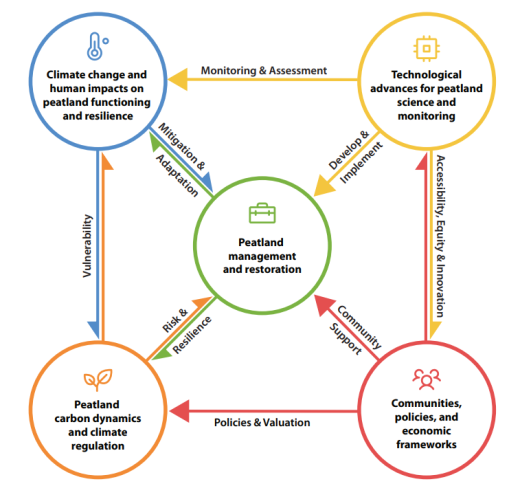
Abstract Peatlands are among Earth’s largest terrestrial carbon stores and are crucial for climate regulation, biodiversity conservation, and water security. Yet peatlands worldwide are deteriorating...
Resource
Author(s)
Alexandra Clark
Eleanore Krieger-Pottruff
Mike Wotton
Sophie Wilkinson
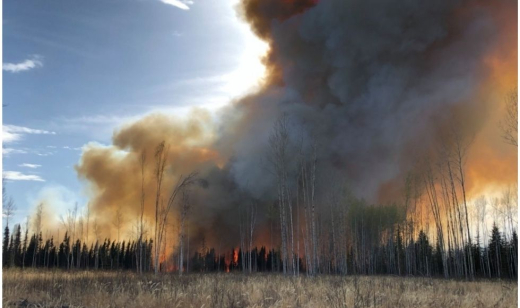
Fire regimes are changing globally in response to climate change, with burned area increasing across nearly all Canadian ecozones. The strongest trends are occurring in western Canada, including the...
Resource
Author(s)
Ken Zimmerman
Sarah Lowe
Sergio Carbone
Progressive rehabilitation is a vital link between aggregate extraction and the development of a future conservation land use. Rehabilitation at Dufferin Aggregate’s Milton Quarry, in the Region of...