
Wildlife management

Content related to: Wildlife management

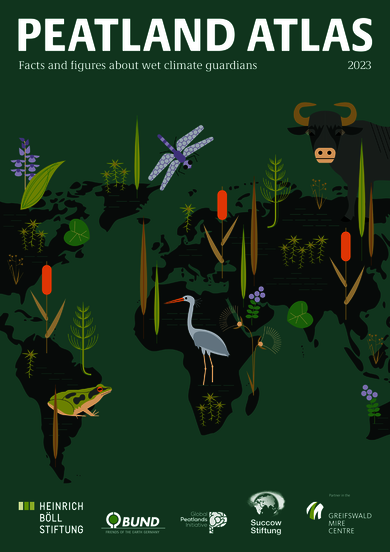
Peatland Atlas: Facts and Figures About Wet Climate Guardians
Peatland Atlas

Although peatlands cover only 3% of the world's land, they store about twice as much carbon as in the biomass of all the world's forests combined. Thus, they are incredibly important especially for the climate and biodiversity. But worldwide more than 10 % of the 500 million hectares of peatlands are already drained, in parts of Central Europe well over 90 %. Every year, another 500,000 hectares of peatlands are destroyed. Drainage turns peatlands into climate killers, since - once drained - they release huge amounts of greenhouse gases - from permafrost in the north to palm oil plantations in Indonesia. With more than two billion tonnes of CO2, the draining of peatlands is responsible for about 4% of all human-made emissions globally. In addition, drainage is also disastrous for biodiversity. Unique habitats for specially adapted species are being lost. 
This is outlined in the Peatland Atlas 2023 - Facts and figures on wet climate guardians.

It sheds light on the societal perception and history of peatlands, their importance for the global climate and as unique habitats for biodiversity and nature, and their destruction with local and global consequences. It also explains how we can protect peatlands and restore their functionality. It shows the potentials of wet peatlands for climate protection and opportunities for their wet use, called paludiculture, and how decision-makers and society can act now. 

The Peatland Atlas is published by the Heinrich-Böll-Stiftung, the Michael Succow Stiftung, partner in the Greifswald Mire Centre, and BUND (Bund für Umwelt und Naturschutz Deutschland/Friends of the Earth Germany), with support of the Global Peatlands Initiative.

Here you may also find the German version, the Mooratlas.
Portal(s):

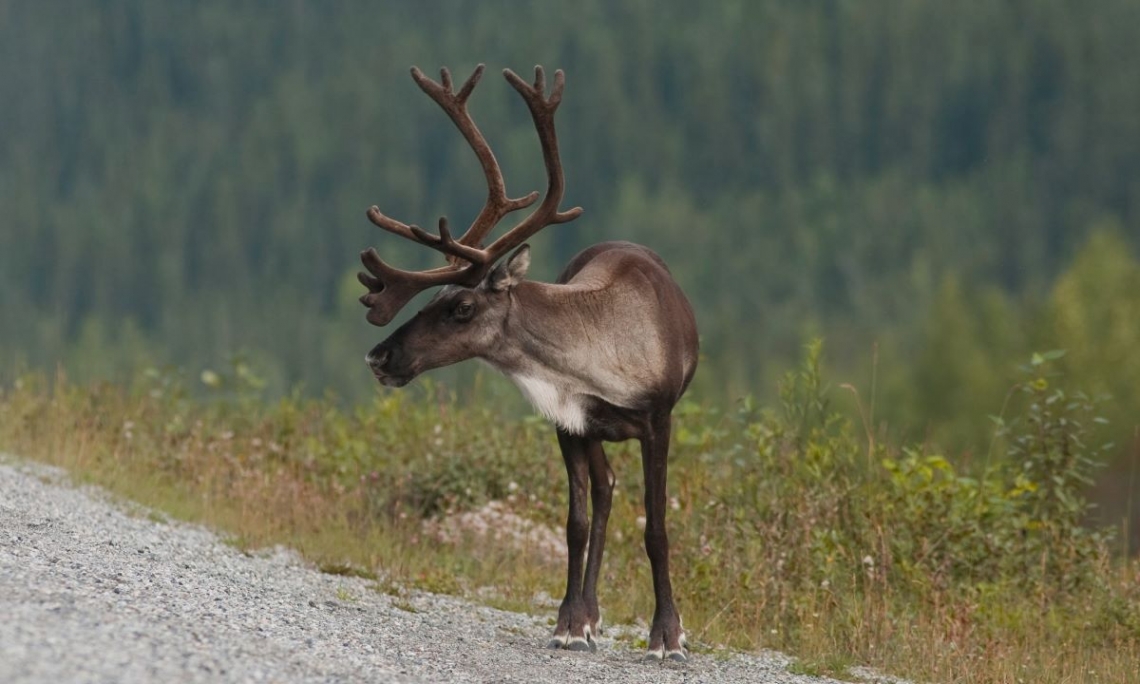
Boreal and Peary caribou listed for another 10 years on the NWT List of Species at Risk

Boreal Caribou

A decision to list Boreal caribou and Peary caribou on the Northwest Territories List of Species at Risk for another ten years was recently made by the Conference of Management Authorities. The decision was informed by status assessments and feedback sought through public engagement.

Full text of this article can be accessed here: Boreal and Peary caribou listed for another 10 years on the NWT List of Species at Risk | NWT Species at Risk

*This article is being shared by the National Boreal Caribou Knowledge Consortium as the subject matter pertains to caribou and may be of interest to our audience. 

Portal(s):

Conservation group releases caribou from maternity pens

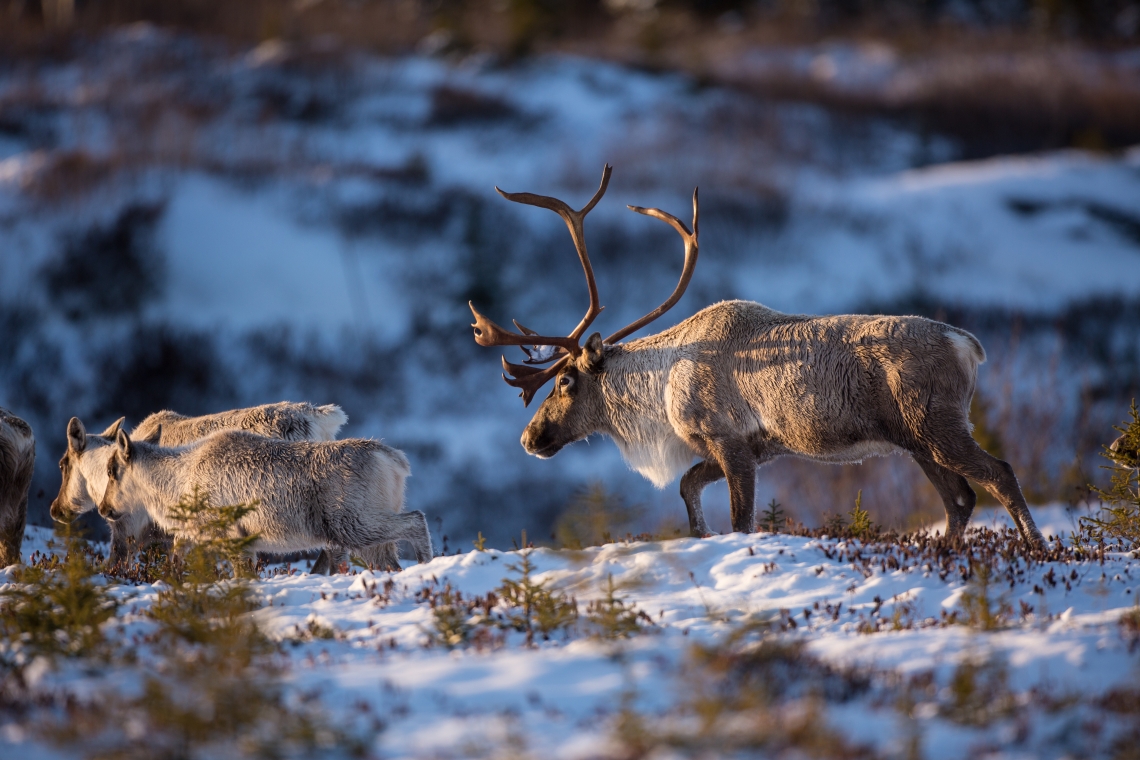
Caribou on Road

Of the fourteen caribou from the Central Selkirk herd in British Columbia captured for placement in a fenced maternity pen, eight healthy calves were born – seven males and only one female. A representative from the Arrow Lakes Caribou Society, which sponsors the pen, expressed a preference for more females as they contribute to increase in herd size. The cohort was recently released, and will be monitored for progress and survival.

Full text of this article can be accessed here: Conservation group releases caribou from maternity pens | Vancouver Sun

*This news piece is being shared by the National Boreal Caribou Knowledge Consortium as the subject matter discussed pertains to caribou and may be of interest to our audience. 

Portal(s):

Inside Canada’s Fight to Save its Peatlands

Organization
Contact
The Weather Network

Peat extraction companies have learned a lot about how to restore these vital ecosystems. But slow growth, climate change, and complexity mean conservation is an important strategy as well.

Over the years, Canadian scientists and companies have learned how to get the ball rolling to restore peatlands. A well-studied method called the moss layer transfer technique (MLTT) can put these vital ecosystems on the right track again, sequestering carbon dioxide rather than emitting it.

However, MLTT is primarily a tried, tested, and true fix for one kind of peatland degradation: peat extraction for farm and garden products. And, while the process can handily turn an impacted peatland from carbon source to carbon sink, peatlands, and their restoration, still face many challenges in Canada.

Keep reading here. 

Portal(s):