
Established in 2018, the Indigenous Knowledge Circle (IKC) was a sister group of the National Boreal Caribou Knowledge Consortium (NBCKC). The mandate of the IKC was to advocate for and provide the NBCKC with guidance and feedback on their relationship with Indigenous peoples and Indigenous Knowledge Systems. From June 2018 to March 2026, both the IKC and the NBCKC were supported by a central secretariat within Environment and Climate Change Canada (ECCC). As coordination by ECCC comes to an end in March 2026, the groups are exploring how to maintain work and connections moving forward. Any updates for the IKC will be posted on this webpage.
| Our Goal | |
|---|---|
While the focus of the Indigenous Knowledge Circle was on Boreal Caribou, the group convened in solidarity with other stewarding nations focused or working with other caribou herds. | The IKC's ultimate goal (vision) is for First Nations, Métis and Inuit to have relationships with caribou for harvesting, sharing, social and ceremonial purposes, to restore balance to the people and caribou today and into the future. More specifically, the group worked towards:
|
| What the IKC Did |
|---|
The IKC met every second month to gather and share information, provide input to NBCKC projects, and advance their own projects. Their work focused on:
The IKC launched Beyond Conservation: A Toolkit for Respectful Collaboration with Indigenous Peoples in 2023. It was the result of more than two years of effort by the IKC and quickly became the go-to place to find guidance and resources for collaborating with First Nations, Métis, and Inuit partners on conservation and stewardship. The toolkit contains guiding principles, hundreds of tools and resources, and tips and advice to help non-Indigenous people repair relationships, open doors, build trust, and increase capacity with their Indigenous partners.  |
| IKC Members | |
|---|---|
| The IKC's membership included representation from ~40 Inuit, First Nations, and Métis organizations, communities, regional governments, and co-management boards who are actively involved in the conservation, recovery, and management of caribou. Many IKC members were also members of the NBCKC along with government scientists, academic researchers, industry experts, and representatives from environmental organizations. Both the IKC and the NBCKC were supported by a central secretariat within Environment and Climate Change Canada (ECCC). | 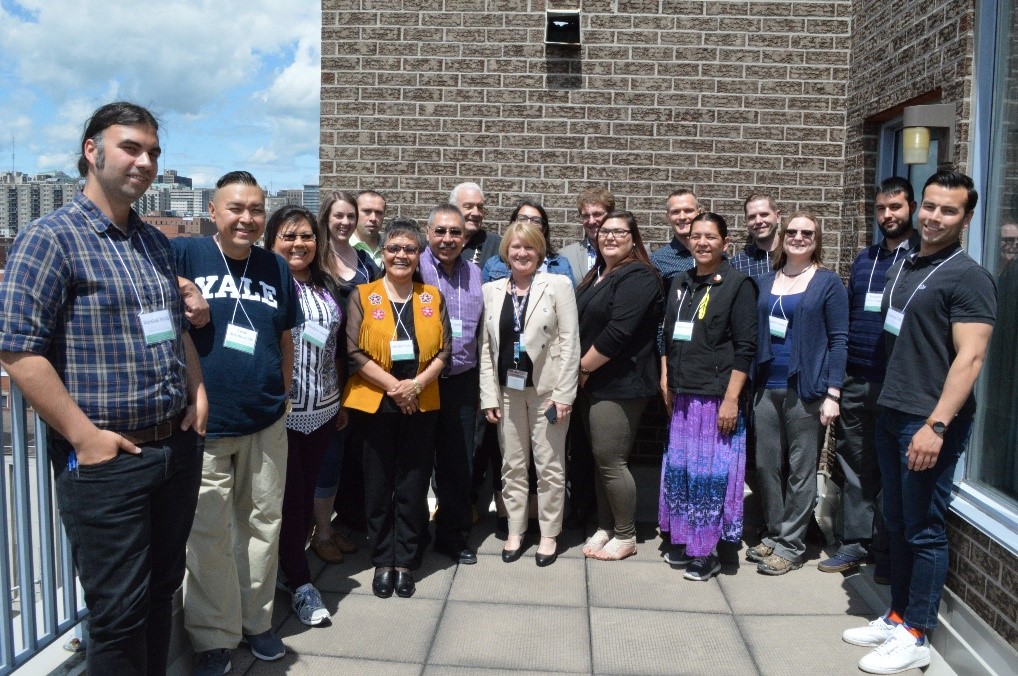 |
The image below is a graphic recording of the IKC's discussion of the principles that should guide collaborations between Indigenous and non-Indigenous individuals and organizations working together to conserve caribou. This discussion was the basis for a draft of 10 principles for collaboration that are central to the IKC's toolkit: Beyond Conservation: A Toolkit for Respectful Collaboration with Indigenous Peoples.
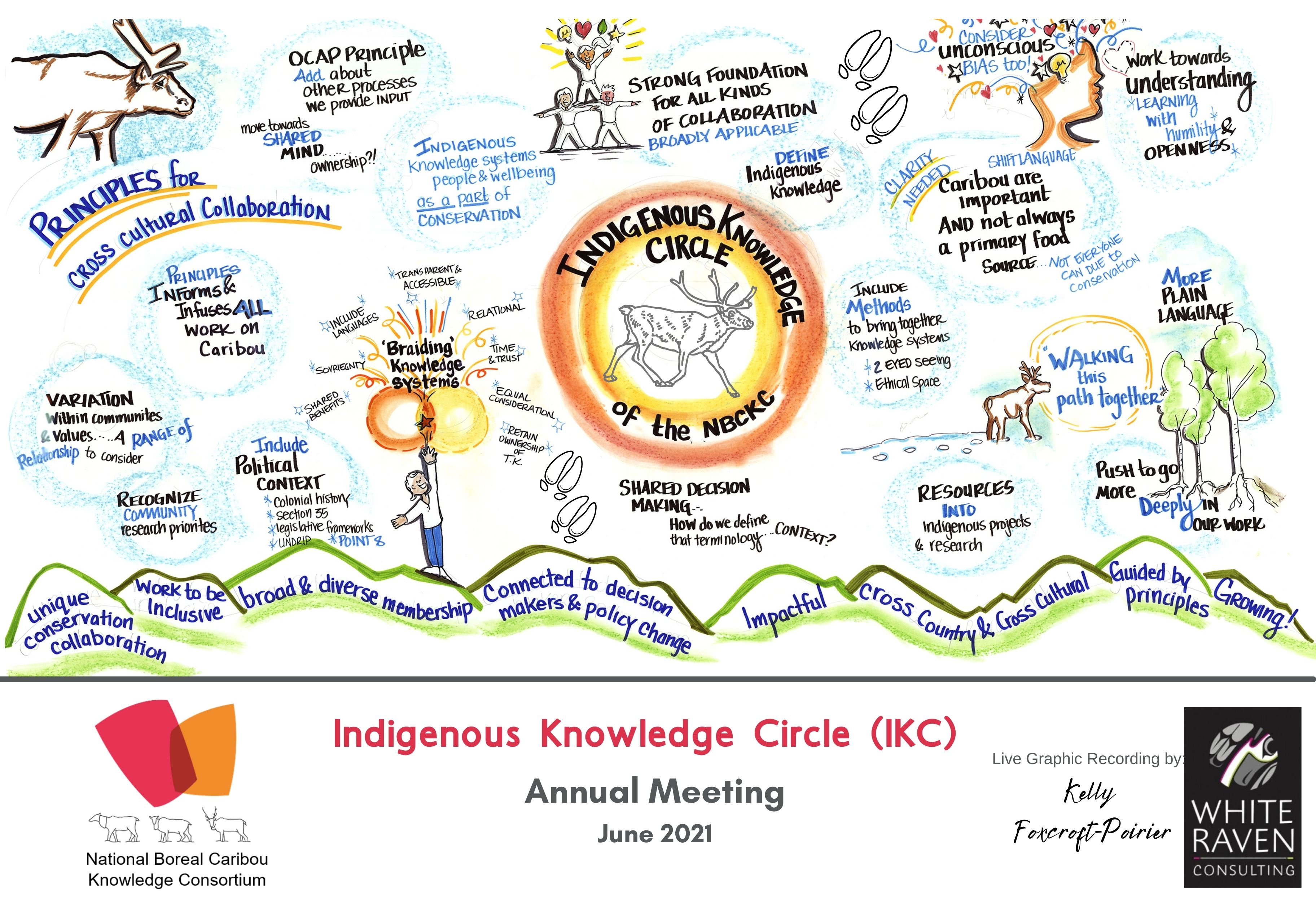
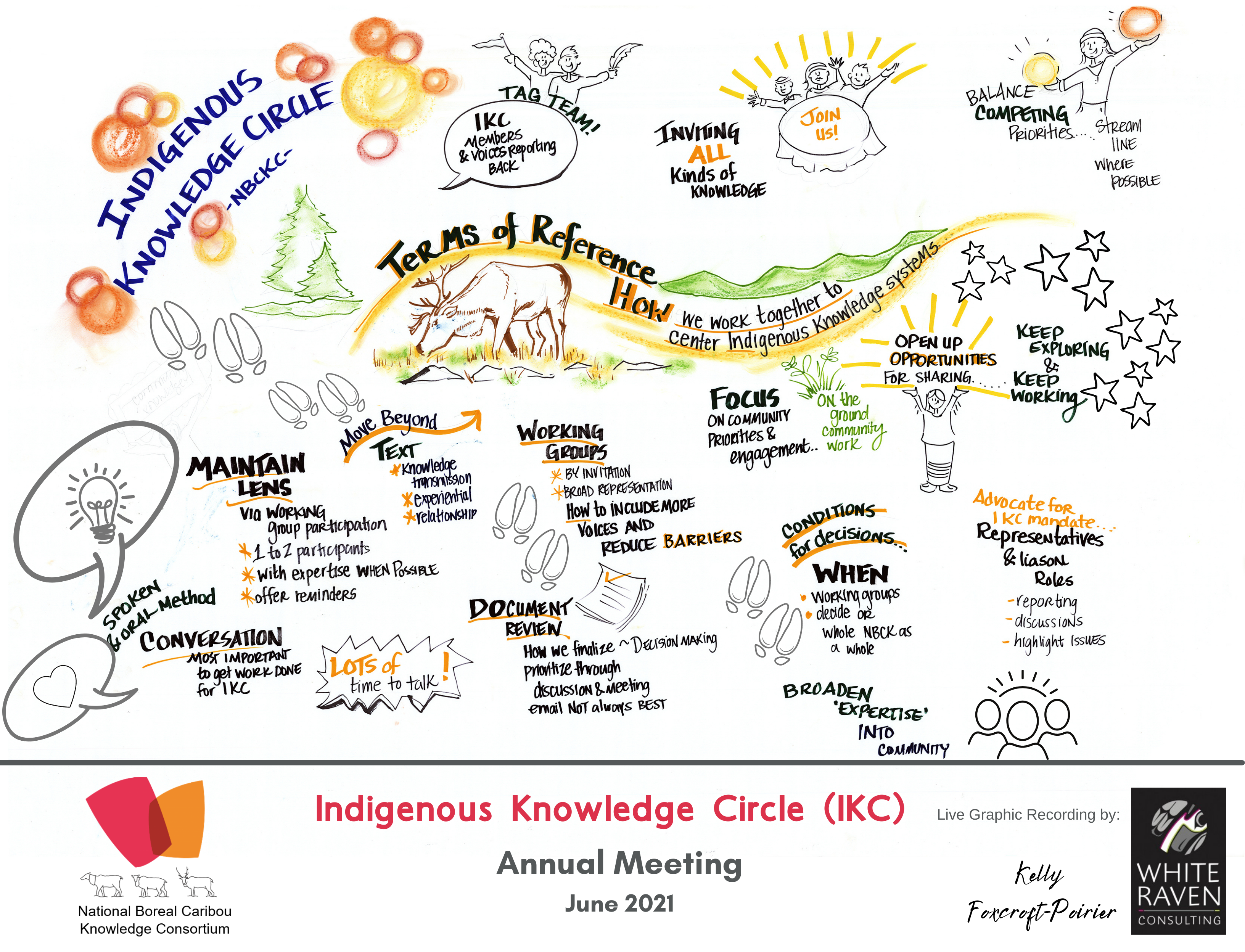
The image below is a graphic recording of the IKC's discussion of their Terms of Reference, and how the IKC works together with the NBCKC. This discussion informed the IKC's draft Terms of Reference.